


Thomas Farage When the name comes up, it tends to spark curiosity. Whether you’ve encountered it in a political discussion, an online thread, or a niche article, there’s an immediate sense that this figure is connected to something bigger. While not as widely recognized in mainstream discourse, Thomas Farage represents an emerging or lesser-documented persona whose identity and influence are worth exploring.
In today’s information-rich environment, names can quickly gain traction even before a clear public profile is fully established. This appears to be the case with Thomas Farage. Some associate the name with political commentary, while others believe it could be linked to intellectual or academic discussions. Regardless of the exact context, the growing interest in this name indicates that people are searching for clarity, depth, and credible insights.
This article takes a closer look at Thomas Farage from multiple angles. Rather than jumping to assumptions, we’ll unpack the possible interpretations, the context in which the name is appearing, and why it might be gaining attention. The goal is to provide a well-rounded, thoughtful perspective that helps you understand what this keyword represents and why it matters.
The Background and Possible Identity of Thomas Farage
Understanding who Thomas Farage is begins with examining the possibilities. In some cases, lesser-known individuals gain recognition through association with larger public figures or movements. The surname “Farage” itself carries a certain familiarity, which naturally leads people to wonder whether there is a connection or simply a coincidence.
It’s also possible that Thomas Farage is a developing public figure—someone whose work or influence is still emerging. In the digital age, individuals can build a reputation through blogs, social media platforms, podcasts, or independent publications. Unlike traditional paths to recognition, these modern channels allow for rapid growth in visibility without requiring institutional backing.
Another angle worth considering is that Thomas Farage may be a subject of niche discussions, perhaps in academic, political, or analytical circles. Names can circulate in specific communities long before they reach broader audiences. This often happens with researchers, commentators, or thought leaders who are highly respected within a limited but influential group.
Why the Name Thomas Farage Is Gaining Attention
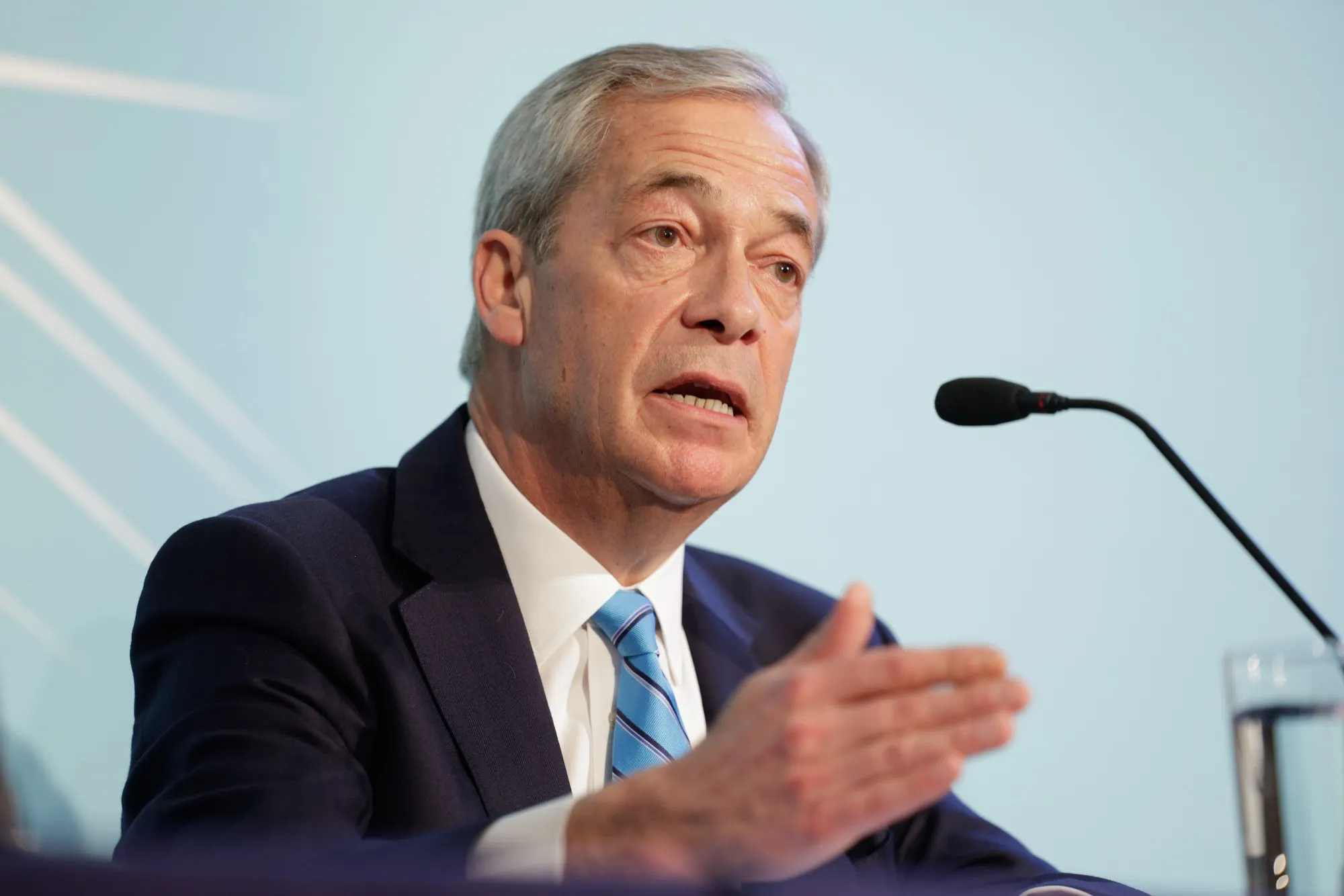
One of the most interesting aspects of Thomas Farage is the growing curiosity surrounding the name. In many cases, this type of attention is driven by online search trends. When people repeatedly encounter a name in different contexts, they begin to look it up, creating a ripple effect of interest.
There’s also the possibility that the name is appearing in discussions tied to current events or ideological debates. In such scenarios, even a single mention in a viral post or article can trigger widespread curiosity. This is especially true if the name is associated with strong opinions, controversial viewpoints, or insightful analysis.
Additionally, the intrigue may come from ambiguity. When information is limited or unclear, people tend to search more actively to fill in the gaps. This creates a cycle where the lack of definitive information actually fuels more interest, rather than diminishing it. Thomas Farage seems to fall into this category, where the mystery itself becomes part of the appeal.
The Role of Digital Media in Shaping Recognition
Digital media plays a crucial role in how names like Thomas Farage gain traction. Platforms such as blogs, forums, and social networks can amplify even the smallest mention into something much larger. A single post can be shared, commented on, and reinterpreted thousands of times within hours.
This environment allows individuals to build recognition quickly, but it also introduces challenges. Information can be fragmented, inconsistent, or even misleading. For someone trying to understand who Thomas Farage is, this means navigating a landscape where not every source is equally reliable.
At the same time, digital media provides an opportunity for deeper engagement. If Thomas Farage is indeed an emerging voice, these platforms offer a way to connect directly with an audience. This direct interaction can build credibility and establish a personal brand much faster than traditional media channels ever could.
Interpreting the Significance of Thomas Farage
Beyond the question of identity, it’s important to consider why Thomas Farage matters. In many cases, the significance of a name lies not just in the individual, but in what they represent. This could be a set of ideas, a perspective, or a contribution to a broader conversation.
For instance, if Thomas Farage is involved in political or social commentary, the name may symbolize a particular stance or analytical approach. People might search for it because they are interested in understanding those viewpoints or engaging with the arguments being presented.
Alternatively, the significance could be more subtle. The name might represent a growing trend of independent thinkers who operate outside traditional institutions. In this sense, Thomas Farage could be seen as part of a larger movement toward decentralized knowledge and self-driven influence.
Challenges in Defining Emerging Figures
One of the key challenges in writing about someone like Thomas Farage is the lack of concrete, widely verified information. This is not uncommon in the early stages of recognition. Many influential figures go through a phase where their identity is still being shaped in the public eye.
This uncertainty requires a careful approach. Rather than making definitive claims, it’s more useful to explore possibilities and provide context. This helps readers form their own understanding without being misled by assumptions or incomplete data.
It’s also worth noting that names can sometimes be misattributed or confused with others. This adds another layer of complexity, especially when the name itself carries associations that may not be accurate. In the case of Thomas Farage, distinguishing fact from speculation is particularly important.
The Future Potential of Thomas Farage
Looking ahead, the future of Thomas Farage depends largely on how the name continues to develop in public discourse. If the individual behind the name is actively contributing to a field—whether it’s politics, academia, or media—there’s a strong possibility that recognition will grow over time.
Consistency and clarity will play a major role in this process. As more content, statements, or works become associated with the name, it will become easier for people to understand who Thomas Farage is and what he stands for. This is how emerging figures transition into established voices.
There’s also the potential for the name to evolve in unexpected ways. In some cases, a name gains recognition not because of a single individual, but because it becomes a reference point within a larger conversation. Whether Thomas Farage follows this path remains to be seen, but the current level of interest suggests that something is unfolding.
Conclusion
Thomas Farage is a name that captures attention precisely because it is not yet fully defined. In a world where information spreads rapidly but not always clearly, this kind of ambiguity can be both a challenge and an opportunity. It invites exploration, discussion, and deeper inquiry.
While concrete details may still be limited, the growing interest in Thomas Farage indicates that the name is resonating with people in some meaningful way. Whether as an emerging figure, a subject of niche discussions, or a symbol of broader trends, it is clearly worth paying attention to.
As more information becomes available, the picture will likely become clearer. Until then, approaching the topic with curiosity and critical thinking is the best way to engage with it. Thomas Farage may still be an evolving story, but it’s one that is already beginning to leave its mark.

