
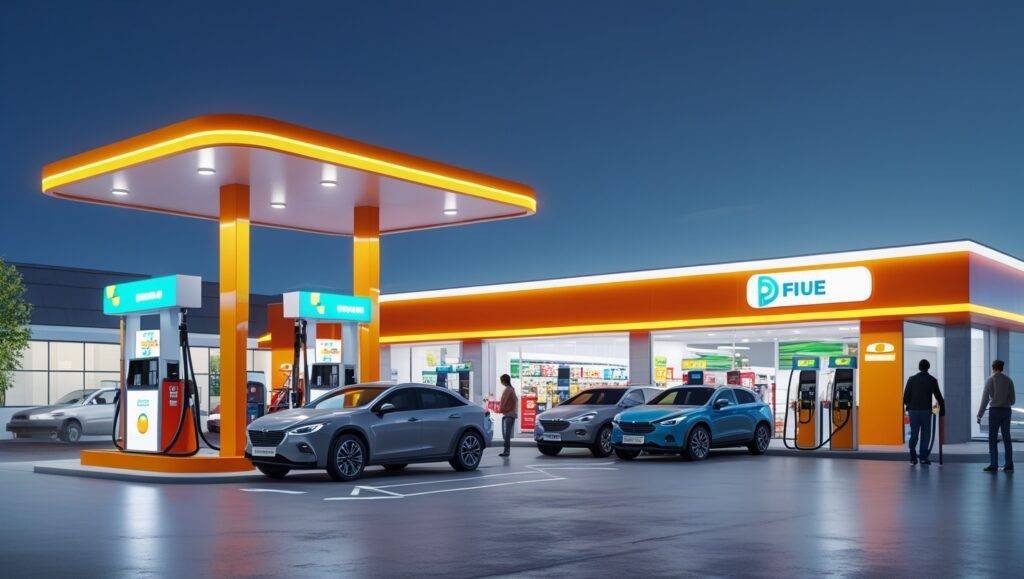
The Retailers Entering Fuel Business landscape is evolving at a rapid pace, and one of the more interesting trends emerging in recent years is Retailers Entering Fuel Business the fuel business. At first glance, it may seem like an unusual move—why would a clothing store, supermarket, or big-box retailer want to sell gasoline or diesel? But when you look closer, the strategy makes a lot of sense. Retailers are constantly looking for ways to increase foot traffic, diversify revenue streams, and stay competitive in an increasingly crowded market.
Fuel, as it turns out, is a powerful tool for all three. It’s a high-demand, repeat-purchase product that can bring customers in regularly. Once customers are on-site, retailers have the opportunity to convert those visits into additional sales inside the store. This blending of fuel and retail is not Retailers Entering Fuel Business entirely new, but the scale and sophistication with which retailers are now entering the fuel business is what makes this trend noteworthy.
In this article, we’ll explore why retailers are stepping into the fuel sector, how they are doing it, the benefits and challenges involved, and what this trend could mean for the future of retail and energy.
Why Retailers Are Moving Into Fuel
One of the main reasons retailers are entering the fuel business is the opportunity to increase customer traffic. Retailers Entering Fuel Business is a necessity for millions of people, and unlike many retail goods, it is purchased frequently. By offering fuel, retailers create a reason for customers to visit their location more often. This frequent interaction builds familiarity and increases the likelihood of additional in-store purchases.
Another key factor is margin balancing. While fuel itself typically has low profit margins, the real value lies in the ancillary sales it drives. Customers who come in to refuel often pick up snacks, beverages, or even groceries. These items carry much higher margins, making the overall transaction more profitable. Retailers understand this dynamic and use fuel as a gateway product to boost overall revenue.
There is also a competitive angle to consider. In many markets, retailers are competing not just with each other, but with e-commerce platforms. By offering something that cannot be delivered—like fuel—they create a physical advantage. This helps brick-and-mortar stores remain relevant and valuable in a digital-first world.
Business Models Retailers Are Using

Retailers Entering Fuel Business are not all following the same playbook. Some choose to build and operate their own fuel stations, fully integrating them into their brand. This approach gives them complete control over pricing, branding, and customer experience, but it also requires significant investment and operational expertise.
Others opt for partnerships with established fuel companies. In this model, the retailer provides the location and customer base, while the fuel company handles supply, logistics, and sometimes even operations. This reduces risk and allows retailers to enter the market more quickly without needing deep industry knowledge.
A third model involves franchise or Retailers Entering Fuel Business licensing arrangements. Retailers can operate fuel stations under a well-known fuel brand while still maintaining their own retail identity. This hybrid approach combines brand recognition with operational flexibility, making it an attractive option for many businesses.
Benefits for Retailers
One of the biggest advantages for Retailers Entering Fuel Business is increased customer loyalty. Many retailers offer fuel rewards programs, where customers earn discounts on fuel based on their in-store purchases. This creates a powerful incentive for customers to stick with a particular brand, as they feel they are getting more value from each transaction.
Another benefit is improved utilization of real estate. Large retailers often have expansive parking lots or underutilized land. Adding a fuel station can turn that idle space into a revenue-generating asset. It also enhances the overall convenience of the location, making it a one-stop shop for customers.
Additionally, fuel sales provide a Retailers Entering Fuel Business relatively stable revenue stream. While retail sales can fluctuate based on trends and seasons, fuel demand tends to be more consistent. This stability can help balance out the volatility in other parts of the business.
Challenges and Risks Involved
Despite the advantages, entering the fuel business is not without its challenges. One of the biggest hurdles is regulatory Retailers Entering Fuel Business compliance. Fuel retailing is heavily regulated, with strict requirements related to safety, environmental protection, and storage. Navigating these regulations can be complex and costly.
There is also the issue of price volatility. Retailers Entering Fuel Business prices are influenced by global markets, geopolitical events, and supply chain disruptions. Retailers need to be prepared to manage these fluctuations and adjust their pricing strategies accordingly. This can be particularly challenging for businesses that are new to the energy sector.
Operational complexity is another concern. Running a fuel station involves different skills and processes compared Retailers Entering Fuel Business to traditional retail. From managing fuel deliveries to maintaining equipment and ensuring safety standards, there is a learning curve that retailers must overcome.
Impact on Traditional Fuel Retailers
The entry of retailers into the Retailers Entering Fuel Business is reshaping the competitive landscape. Traditional fuel stations are no longer just competing with each other; they are now up against large retail chains with strong brand recognition and loyal customer bases.
This increased competition is pushing traditional fuel retailers to innovate. Many are upgrading their convenience stores, expanding product offerings, and improving customer experience to stay competitive. Some are even forming partnerships with retailers to combine strengths and reach a wider audience.
At the same time, the presence of Retailers Entering Fuel Business is leading to more competitive pricing. Retailers often have the financial flexibility to offer lower fuel prices as a way to attract customers, putting pressure on traditional players to match those prices.
The Role of Technology
Technology is playing a crucial role in enabling retailers to succeed in the fuel business. Modern fuel stations are equipped with advanced systems for inventory management, payment processing, and customer engagement. These technologies help streamline operations and improve efficiency.
Mobile apps and digital payment options are also becoming increasingly important. Many retailers are integrating fuel purchases into their existing apps, allowing customers to pay at the pump, track rewards, and receive personalized offers. This seamless experience enhances convenience and strengthens customer relationships.
Data analytics is another powerful tool. By analyzing customer behavior, retailers can optimize pricing, tailor promotions, and improve overall performance. This data-driven approach gives them a competitive edge in a market that has traditionally been less sophisticated in terms of analytics.
Environmental and Sustainability Considerations
As retailers enter the fuel business, they also face growing pressure to address environmental concerns. The energy sector is undergoing a transition, with increasing emphasis on sustainability and reducing carbon emissions. Retailers need to consider how their fuel operations align with these broader trends.
Many are exploring alternative fuels and electric vehicle (EV) charging stations as part of their strategy. By offering EV charging alongside traditional fuel, retailers can future-proof their business and appeal to environmentally conscious consumers. This also positions them as forward-thinking brands that are adapting to changing market conditions.
Sustainability initiatives can also enhance brand reputation. Consumers are becoming more aware of environmental issues, and they tend to favor companies that demonstrate a commitment to responsible practices. Retailers that integrate sustainability into their fuel operations can gain a competitive advantage in this regard.
What the Future Holds
The trend of Retailers Entering Fuel Business is likely to continue and even accelerate in the coming years. As competition intensifies and consumer expectations evolve, retailers will keep looking for ways to differentiate themselves and add value to their offerings.
We can expect to see more innovation in this space, particularly in terms of technology and sustainability. From smart fuel stations to integrated mobility solutions, the line between retail and energy will continue to blur. Retailers that can successfully navigate this convergence will be well-positioned for long-term success.
At the same time, the shift toward electric vehicles and alternative energy sources will reshape the fuel landscape. Retailers that are already in the fuel business will have a head start in adapting to these changes, as they can leverage their existing infrastructure and customer relationships.
Conclusion
Retailers Entering Fuel Business is more than just a passing trend—it’s a strategic move that reflects the changing dynamics of both retail and energy industries. By offering fuel, retailers can drive traffic, boost sales, and create a more comprehensive customer experience.
However, success in this space requires careful planning, investment, and a willingness to adapt. From regulatory challenges to price volatility and environmental considerations, there are many factors to navigate. But for those who get it right, the rewards can be significant.
In the end, this trend highlights the importance of innovation and flexibility in today’s business environment. Retailers that are willing to think beyond traditional boundaries and explore new opportunities will be the ones that thrive in the years ahead.