
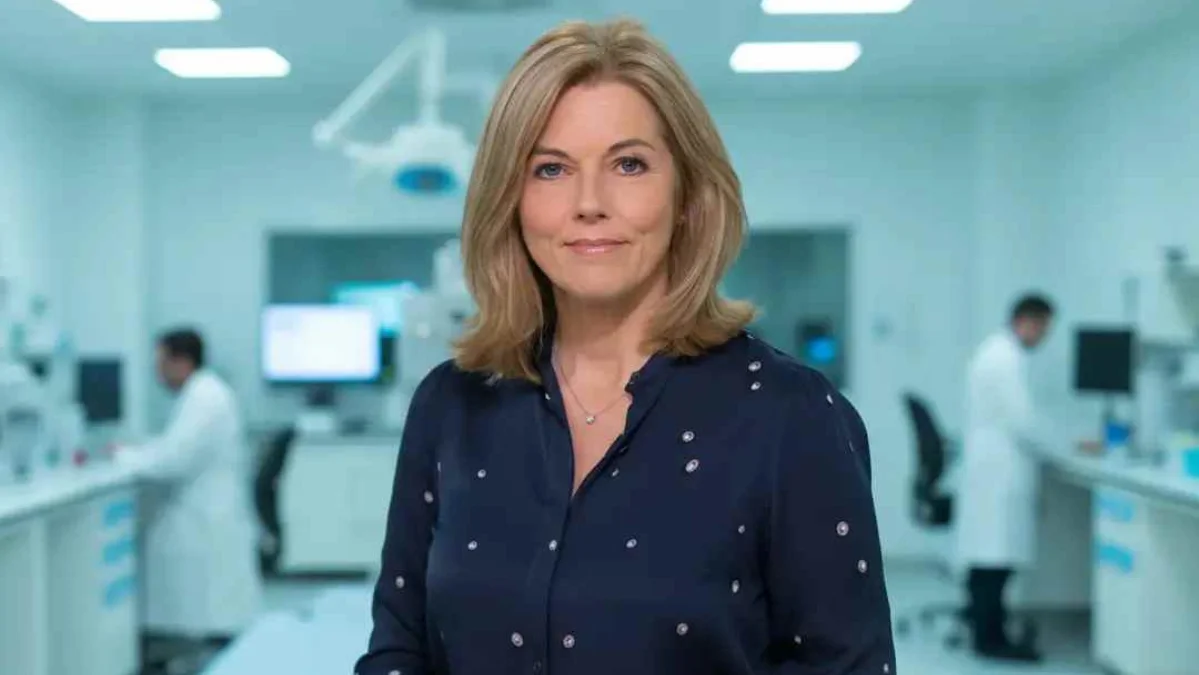
Mary Nightingale Illness is a familiar and trusted face for millions of viewers, known for her calm presence and authoritative delivery on television. Naturally, when someone so visible appears to change in any way, whether physically or in terms of routine, people begin to ask questions. One topic that has circulated online in recent years is the idea of a “Mary Nightingale illness.” However, separating fact from speculation is essential, especially when it comes to personal health matters.
It’s important to begin by saying that there is no widely confirmed or officially disclosed serious illness regarding Mary Nightingale. Much of the discussion online stems from assumptions, brief absences, or natural changes over time. In the modern media environment, even the smallest detail can spark widespread curiosity, and sometimes misinformation follows closely behind.
This article takes a grounded, thoughtful look at the topic—exploring where the rumors may have come from, how public perception works, and why respecting personal privacy is just as important as satisfying curiosity.
Why Do People Search for “Mary Nightingale Illness”?
The curiosity surrounding a public figure’s health is not unusual. When someone appears regularly on screen, viewers build a sense of familiarity, almost like a distant relationship. Over time, even subtle changes—such as differences in appearance, voice, or schedule—can prompt questions.
In Mary Nightingale’s case, searches related to her health may have been triggered by brief breaks from broadcasting or perceived changes in her look. Television presenters, like all people, naturally age and evolve. Lighting, makeup, and camera angles can also significantly affect how someone appears, sometimes leading viewers to assume something is wrong when it isn’t.
Another factor is the speed at which rumors spread online. A single comment on social media or a speculative blog post can quickly turn into a widely searched topic. Once a phrase like “Mary Nightingale illness” starts trending, more people search for it—often out of curiosity rather than confirmed concern—further amplifying the topic without adding factual clarity.
The Reality: No Confirmed Serious Illness
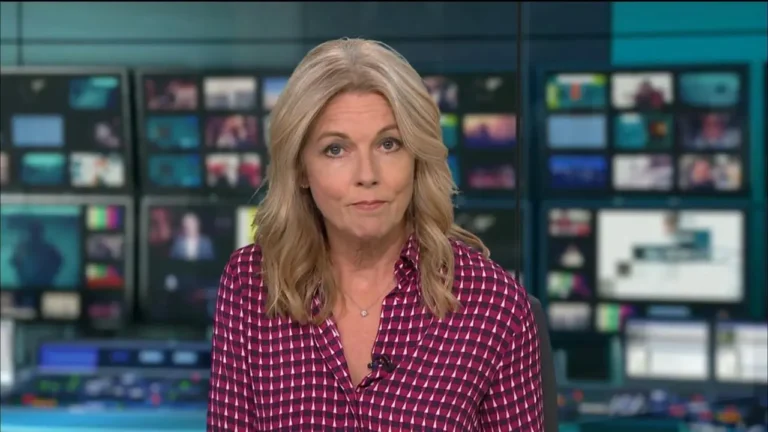
Despite ongoing speculation, there Mary Nightingale Illness has been no credible, verified information indicating that Mary Nightingale is suffering from any serious illness. She has continued her professional role with consistency and professionalism, which itself is a strong indicator of her overall well-being.
Public figures typically disclose major health issues when they feel comfortable doing so, especially when it affects their work. In the absence of such a statement, it’s important not to jump to conclusions. Silence does not equal confirmation—it often simply reflects a desire for privacy.
It’s also worth noting that minor health issues are a normal part of life. Like anyone else, Mary Nightingale may occasionally experience common conditions such as fatigue, seasonal illness, or the need for rest. These everyday realities can sometimes be exaggerated into something more serious by outside observers who lack context.
How Media and Public Perception Shape Health Narratives
The way people interpret a public figure’s health is heavily influenced by media and cultural expectations. Television presenters are often expected to maintain a consistent appearance and demeanor, which is unrealistic over Mary Nightingale Illness long periods. Any deviation from that expectation can lead to speculation.
In many cases, the media does not directly report on such rumors, but online platforms fill the gap. Forums, social media threads, and unofficial websites often become the primary sources of discussion. Unfortunately, these spaces are not always reliable, and information can quickly become distorted.
There is also a psychological element at play. People are naturally drawn to stories that humanize public figures. Health-related Mary Nightingale Illness topics, in particular, create a sense of connection and empathy. However, without verified information, this curiosity can unintentionally cross into invasion of privacy or the spread of misinformation.
The Importance of Privacy in Health Matters
Health is one of the most personal aspects of anyone’s life, regardless of their public status. While celebrities and broadcasters share parts of their lives with audiences, they are not obligated to disclose everything—especially when it comes to medical details.
Respecting this boundary is crucial. Speculating about someone’s health without evidence can lead to unnecessary stress for the individual and their family. It can also contribute to a culture where privacy is undervalued in favor of constant public scrutiny.
Mary Nightingale, like many professionals in the public eye, has maintained a clear distinction between her work and her personal Mary Nightingale Illness life. This approach deserves respect. Just because someone is visible does not mean every aspect of their life is open for discussion or analysis.
How Rumors Can Affect Public Figures
Even when untrue, rumors about illness can have real consequences. They can influence public perception, create unnecessary concern among viewers, and sometimes even impact a person’s professional life. For someone in a role that depends on credibility and consistency, such speculation can be particularly frustrating.
Moreover, these rumors can take on a life of their own. Once a narrative begins, it can be repeated and reshaped across different platforms, making it harder to correct. This is why responsible consumption of information is so important—checking sources and avoiding assumptions can make a significant difference.
From a broader perspective, this situation highlights the need for more thoughtful engagement with public figures. Curiosity is natural, but it should be balanced with respect and critical thinking.
A Balanced Perspective Moving Forward
When it comes to topics like “Mary Nightingale illness,” the most responsible approach is a balanced one. Acknowledge the curiosity, but rely on verified information rather than speculation. As of now, there is no confirmed evidence of any serious health condition affecting her.
At the same time, it’s helpful to remember that change is a normal part of life. People evolve, both personally and professionally. What viewers sometimes interpret as a problem may simply be a natural progression or a temporary situation.
Ultimately, Mary Nightingale continues Mary Nightingale Illness to be a respected and steady presence in broadcasting. Her professionalism speaks louder than any unverified rumors, and her work remains the most reliable indicator of her current state.
Final Thoughts
The discussion around “Mary Nightingale illness” serves as a reminder of how quickly speculation can spread in the digital age. While curiosity about public figures is understandable, it’s essential to approach such topics with care, accuracy, and respect.
There is no Mary Nightingale Illness confirmed serious illness to report, and much of what circulates online appears to be based on assumptions rather than facts. By focusing on verified information and maintaining respect for personal boundaries, we can engage in a more responsible and thoughtful way.
In the end, Mary Nightingale’s enduring presence and professionalism remain the most important takeaway—not the rumors that occasionally surround her.DEVELOPER MODE